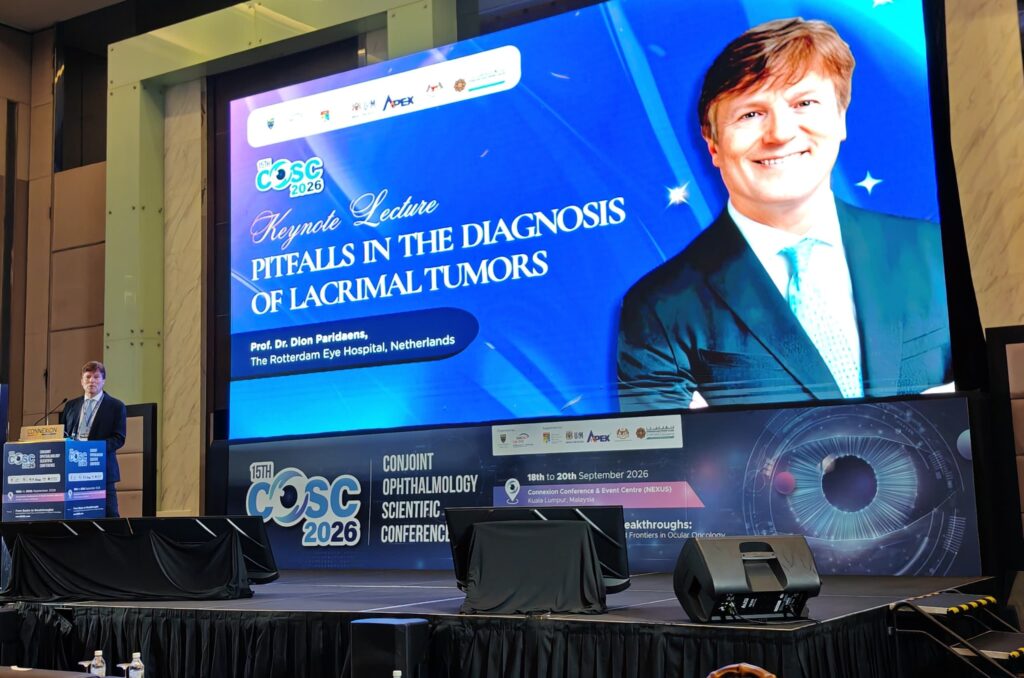
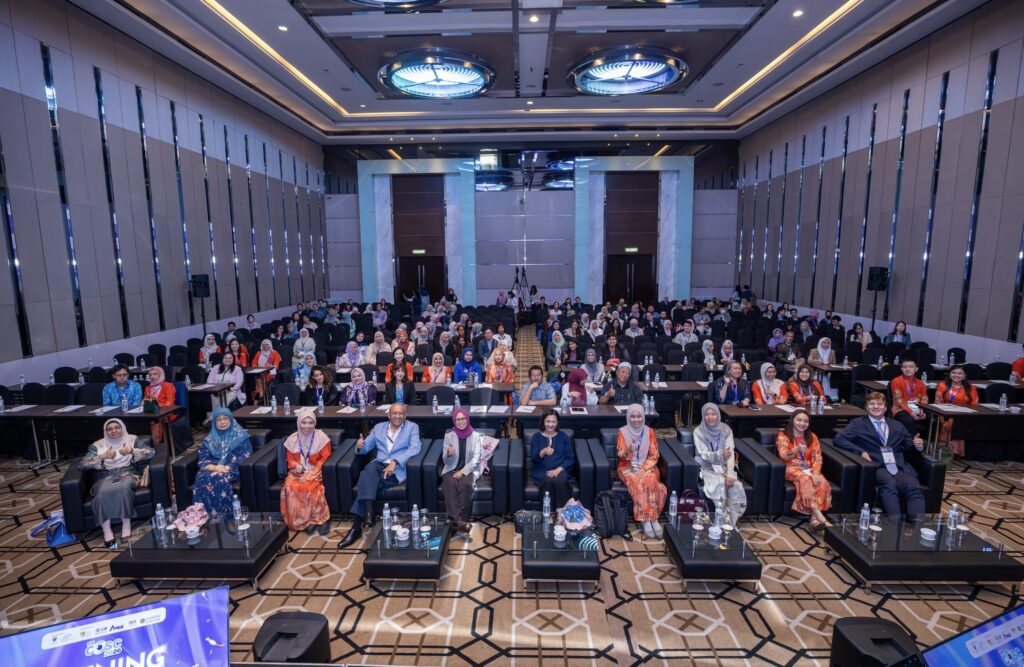
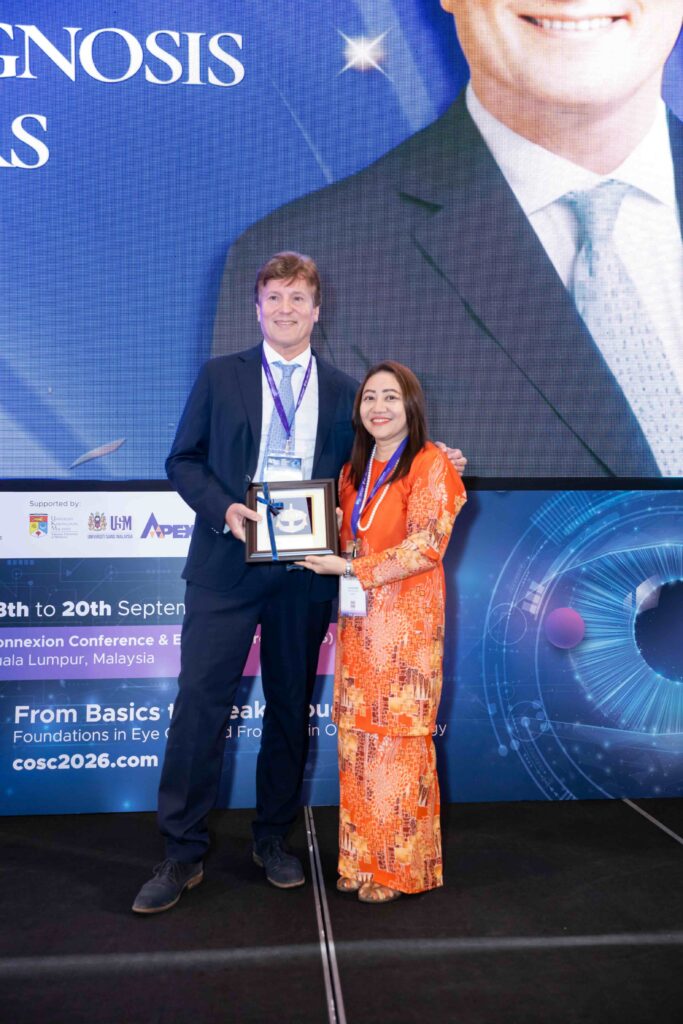
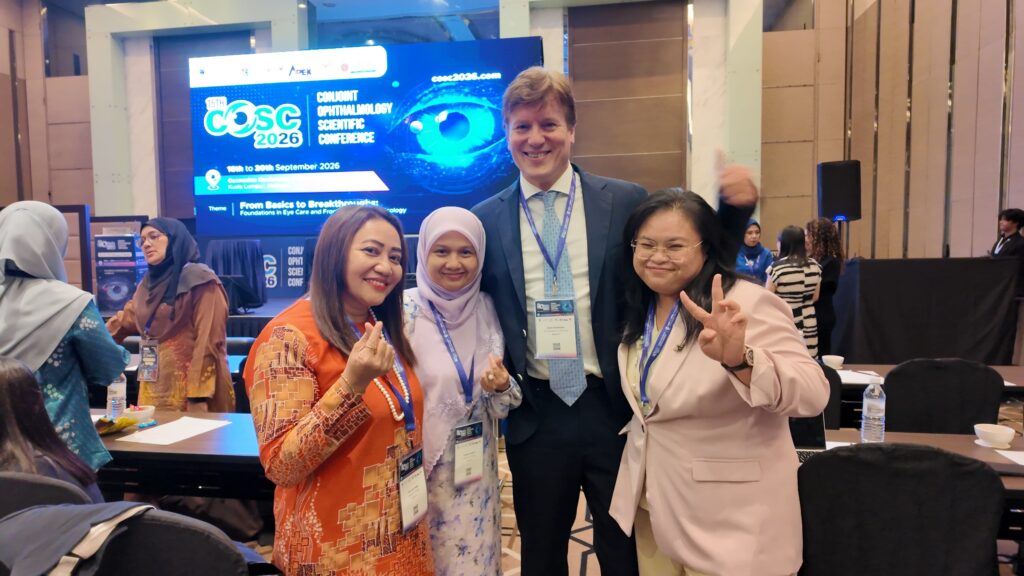
It was a great pleasure to take part in the Conjoint Ophthalmology Scientific Conference (COSC) 2026 in Kuala Lumpur this September.
I was honoured to contribute with two presentations on September 19:
• Keynote Lecture: “Pitfalls in the Diagnosis of Lacrimal Tumours” • Invited Lecture: “Not Every Lump is a Tumour: Decoding Orbital Inflammation”
I was particularly proud to see that the faculty included four Malaysian oculoplastic surgeons who previously trained as fellows at the Rotterdam Eye Hospital: Dr Fazliana Ismail, Scientific Chairperson of COSC 2026, Dr Hanida Hanafi, Vanessa Neoh, and CAROLINE BINSON. It was wonderful to see how each of them has gone on to build such an impressive career in oculoplastic surgery.
Another highlight was the opportunity to meet Arun Singh for the first time. Although our paths had not crossed before, we share an important professional connection: we were both trained by the late Mr John Hungerford at Moorfields Eye Hospital. Arun subsequently built a distinguished career in ocular oncology, and it was a real pleasure finally to meet him in Kuala Lumpur.
COSC 2026 was an excellent platform for scientific exchange, lively discussion and reconnecting with colleagues and friends from across the region and beyond.
Many thanks to the organisers for the kind invitation and warm hospitality in Kuala Lumpur.
It was a great pleasure to contribute to the educational programme of the 44th Annual Meeting of the European Society of Ophthalmic Plastic and Reconstructive Surgery (ESOPRS), held in Cascais, Portugal, from 10–12 September 2026.
On Wednesday, 9 September, I had the pleasure of acting as a tutor at the ESOPRS cadaver course, where I presented and demonstrated techniques for lateral canthal reconstruction and eyelid reconstruction. Teaching in this hands-on setting and exchanging ideas and techniques with colleagues is always particularly rewarding.
On Thursday, 10 September, during the pre-meeting course day, I gave a lecture entitled “IgG4-related disease: does it even exist?” — a deliberately provocative title for a fascinating and still evolving topic in our field.
On Friday, 11 September, I had the pleasure of (co-)moderating a session on orbital disorders, including thyroid eye disease, with some excellent presentations and discussions.
But, as always with ESOPRS, a meeting is about much more than the scientific programme. It was wonderful to reconnect with so many old friends and to meet new colleagues from all over the world. The warm atmosphere and the many conversations in and outside the lecture halls are an important part of what makes these meetings so enjoyable.
A very warm thank you to the local organisers, Guilherme Castela and André Borba, for their excellent organisation, wonderful hospitality, and the kind invitation to contribute to the programme as an invited speaker.
After a memorable few days in Portugal, I already look forward to meeting the ESOPRS family again at the 45th Annual Meeting in Copenhagen in 2027! 🇩🇰
On 8 September, I had the pleasure of giving three invited lectures at the 2nd UNIFE Ophthalmology Course for Residents and Fellows in Varignana, Italy.
I spoke about eyelid tumours, eyelid reconstruction, and eye removal & socket management as part of a morning dedicated to oculoplastics and orbital disease.
It was great to share the session with friends and colleagues Francesco Quaranta Leoni, peerooz saeed and Miguel González-Candial MD, PhD, MS., who covered eyelid malpositions, orbital tumours and inflammation.
Particularly nice to see four of our residents from Het Oogziekenhuis Rotterdam in the audience: Laura Dokter, Panos Giannopoulos, Boudewijn van der Wel and Özgür Eryigit. Always good to meet your own residents abroad!
And Rotterdam was represented elsewhere in the programme as well, with my colleague Koorosh Faridpooya lecturing in the vitreoretinal session.
Many thanks to the course directors, Prof. Massimo Busin and Prof. Marco Mura, and to Francesco Quaranta Leoni for the kind invitation and warm hospitality.
A very enjoyable combination of teaching, learning, friendship and international exchange.
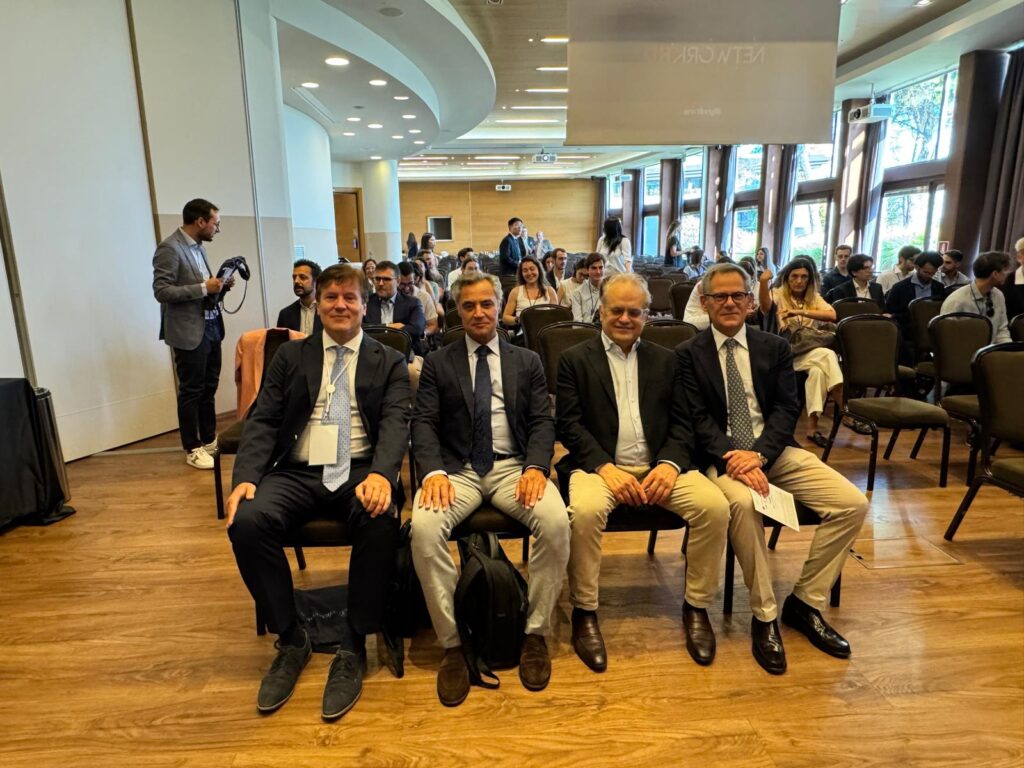
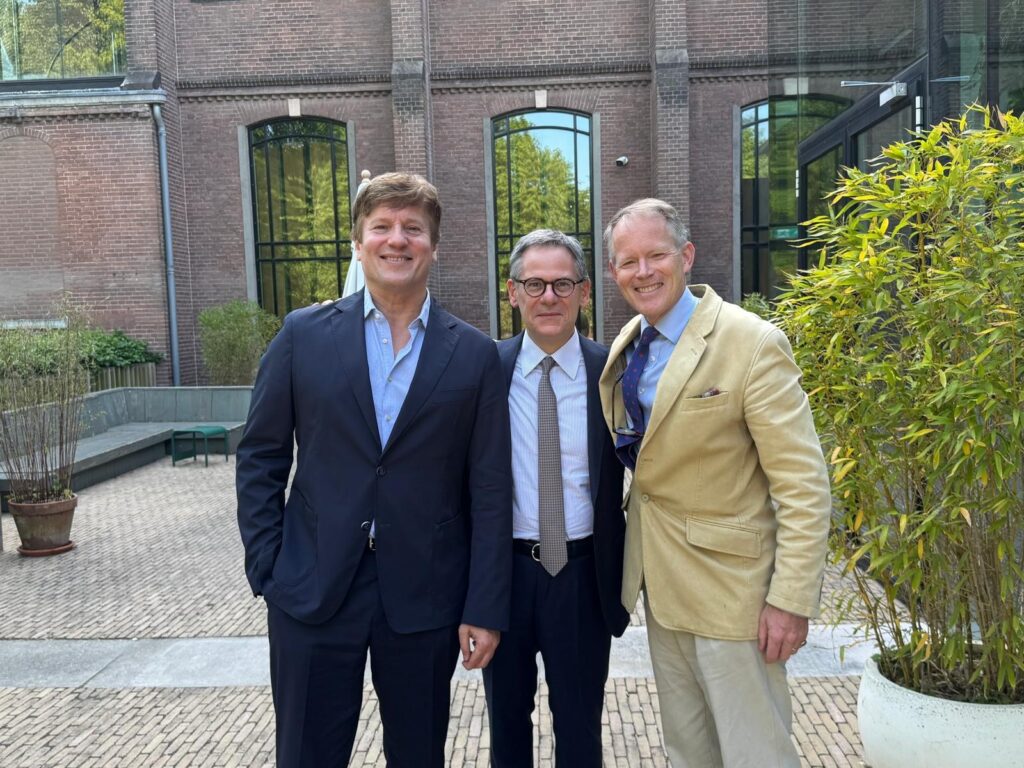
Oculoplastic & Orbital Tutors (from right to left): Francesco Quaranta-Leoni (Rome), Peerooz Saeed (Amsterdam), Miguel Gonzalez Candial (Barcelona) and Dion Paridaens (Rotterdam()
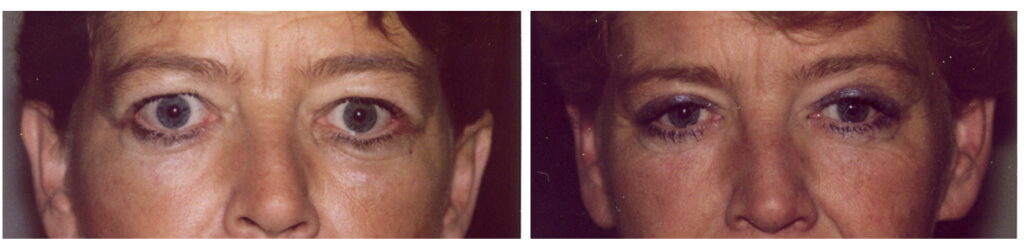
Effect of surgical correction of exopthalmos and upper lid retraction in patient with Graves’ orbitopathy (with permission of patient)
In 2000, we published a new surgical approach for orbital decompression in patients with Graves’ orbitopathy: Ab Interno Lateral Wall Decompression. More than two decades later, it is gratifying to see that this technique continues to be used by orbital surgeons worldwide and remains a valuable option in the surgical management of thyroid eye disease.
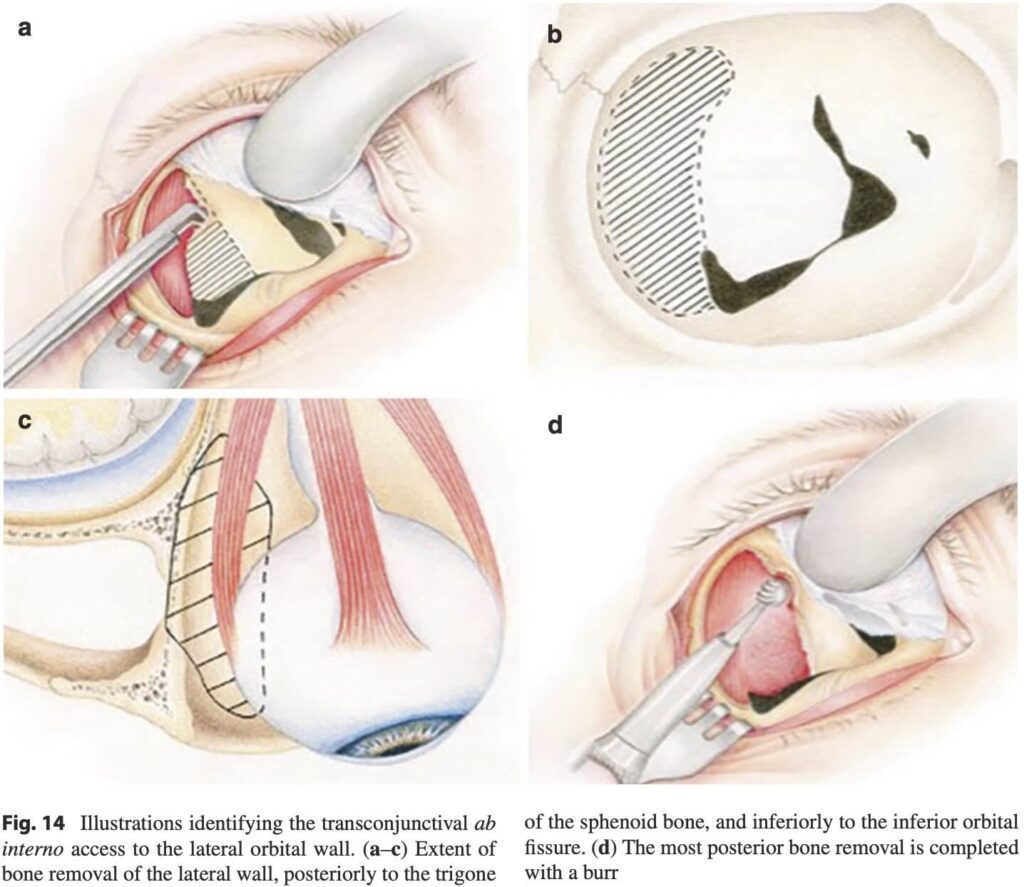
The concept behind Ab Interno Lateral Wall Decompression was straightforward: achieve effective proptosis reduction while minimizing surgical morbidity and maximizing cosmetic outcomes. By approaching the lateral orbital wall from within the orbit, the technique offers several important advantages. It results in minimal visible scarring, provides favorable proptosis reduction with a low risk of inducing diplopia, and avoids disruption of the temporalis muscle, thereby preventing temporalis atrophy and the associated functional and cosmetic concerns.
An additional advantage is the versatility of the approach. Ab Interno Lateral Wall Decompression can be readily combined with decompression of the medial wall and orbital floor when greater reduction of proptosis is required. Through a swinging eyelid approach and/or a transcaruncular approach, surgeons can access multiple orbital walls while maintaining excellent exposure and avoiding external facial incisions. This flexibility allows the procedure to be tailored to the severity and pattern of disease, ranging from isolated lateral wall decompression to balanced multi-wall decompression.
Figure from ESOPRS Book vol 2 (Springer 2024, Eds: Quaranta-Leoni F, Verity D, Paridaens D); (illustrations by Jessica Leenen)
The enduring popularity of Ab Interno Lateral Wall Decompression reflects the importance of balancing surgical efficacy with patient-centered outcomes. While reducing proptosis is a primary objective, preserving ocular motility, minimizing complications, and optimizing cosmetic results are equally important considerations for both patients and surgeons.
What makes me particularly proud is not only the procedure itself, but also the environment in which it was developed. At Het Oogziekenhuis Rotterdam, in close collaboration with Erasmus MC, research into the pathophysiology and treatment of Graves’ orbitopathy has been a major focus for decades. The combination of clinical excellence, scientific inquiry, and multidisciplinary collaboration provided the foundation for developing and refining innovative surgical approaches such as Ab Interno Lateral Wall Decompression.
Looking back, it is rewarding to know that a technique developed in Rotterdam continues to benefit patients more than 25 years after its introduction. Surgical innovations rarely succeed because of technical ingenuity alone; they endure because they improve outcomes and quality of life for patients. The continued use of Ab Interno Lateral Wall Decompression is a testament to the dedication of colleagues, mentors, researchers, trainees, and patients who contributed to its development and evaluation over the years.
As our understanding of Graves’ orbitopathy continues to evolve, and as new treatments emerge, it is worth reflecting on how meaningful advances are achieved: through the integration of clinical care, research, and a commitment to improving the lives of our patients.
Reference
Paridaens DA, Verhoeff K, Bouwens D, Van den Bosch WA. Transconjunctival orbital decompression in Graves’ ophthalmopathy: lateral wall approach ab interno. British Journal of Ophthalmology. 2000;84(7):775–781.
On 21 and 22 May 2026, the International Orbital Society Meeting took place at the beautiful Hotel Arena in Amsterdam, excellently organized by Prof. Peerooz Saeed.
The meeting was held in The Chapel, the showpiece of Hotel Arena and the former chapel of the Catholic orphanage built in 1886. It was a truly unique and inspiring setting for two days of scientific exchange, discussion and friendship.
The International Orbital Society (IOS) is a highly selective, by-invitation professional society with a limited international membership, dedicated to advancing orbital surgery and orbitology. It brings together leading surgeons and researchers in ophthalmology, oculoplastic surgery and facial plastic surgery.
I was honoured to present what we believe to be the first case of successful primary stereotactic radiotherapy for a biopsy-proven solitary fibrous tumour of the orbit. In this patient, surgery would have carried a high risk of serious functional complications, including possible loss of vision in her best eye.
It was also a privilege to moderate a session with lively debates on a wide range of orbital topics. One particularly fascinating contribution came from Prof. Eric Schliesser, who gave a historical perspective on the philosopher Baruch Spinoza, born in Amsterdam in 1632 and of Portuguese-Jewish origin.
Most of all, it was wonderful to reconnect with friends and colleagues from around the world, including a special reunion with my ESOPRS friends Francesco Quaranta Leoni and David Verity.
Grateful for the inspiring discussions, warm collegiality and continued exchange within this remarkable international community.
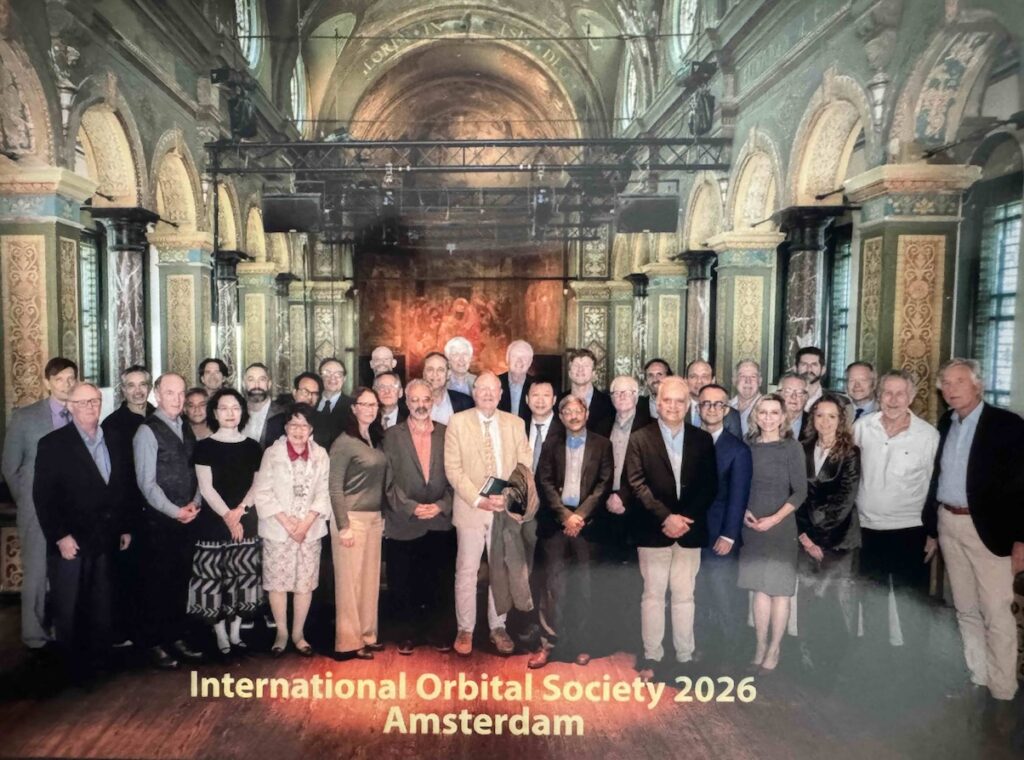
Full and Advisory Members of the International Orbital Society gethering in AmsterdamMy ESOPRS friends David Verity (right) and Francesco Quaranta-Leoni (middle) reuniting at the Orbital Society Meeting 2026
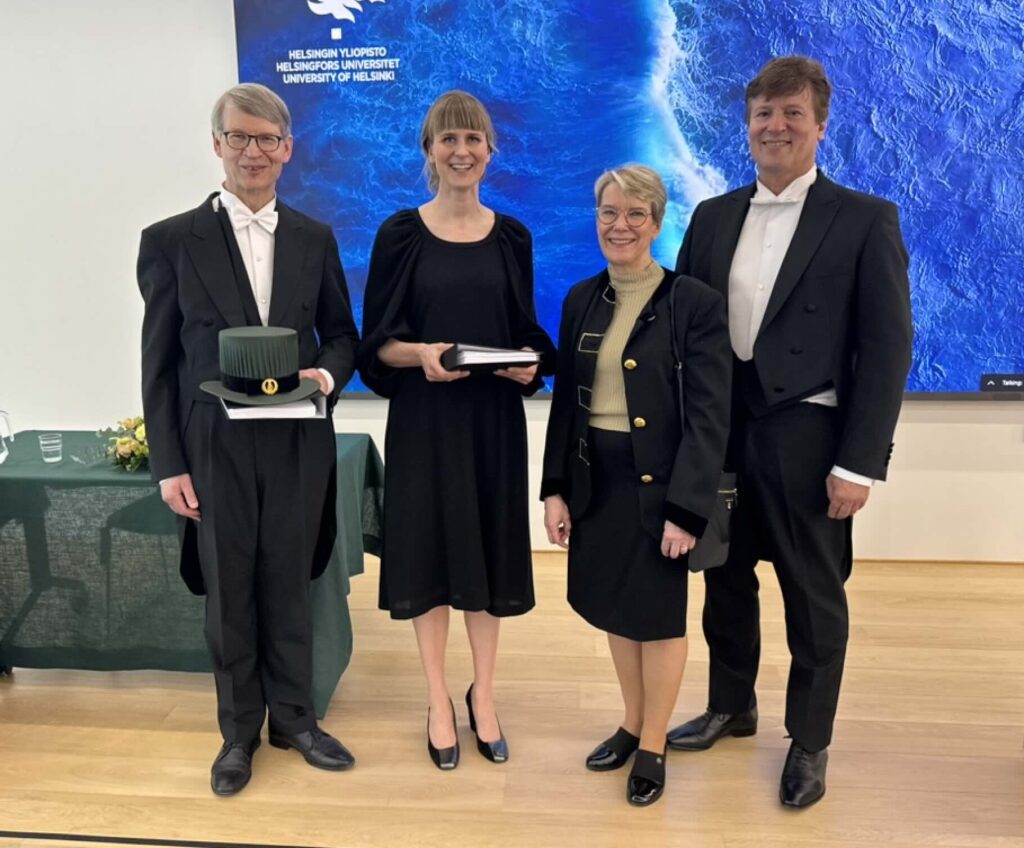
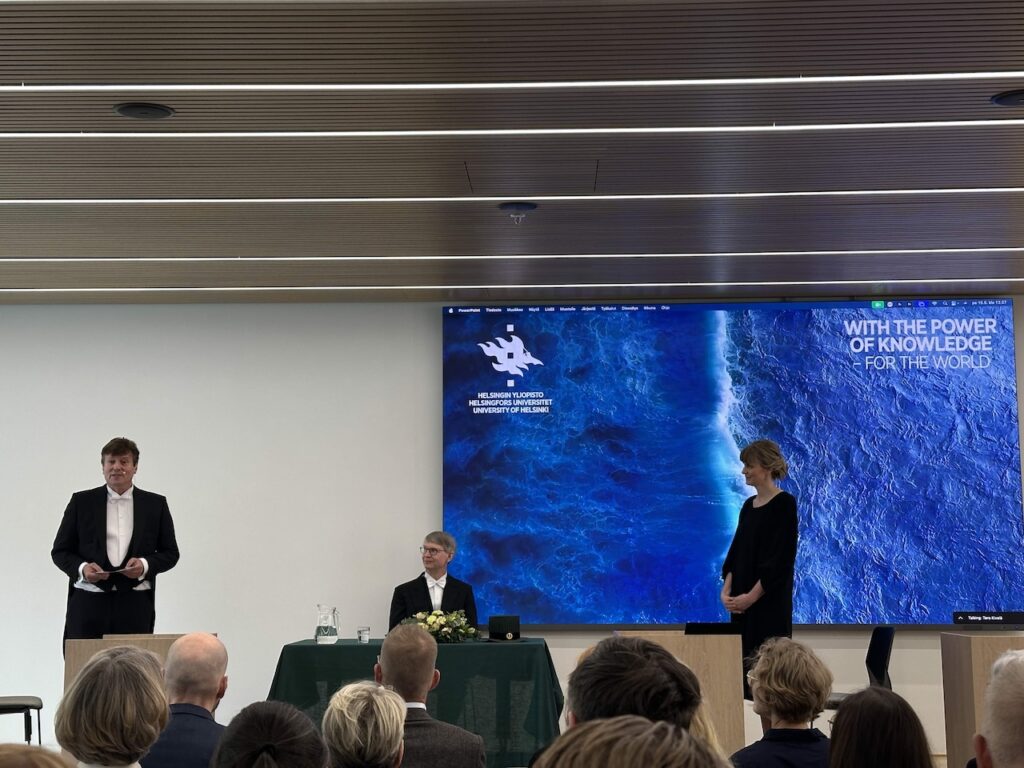
Honoured to serve as the official Opponent from the Netherlands at the PhD defense of Dr Paula Niinimäki at the University of Helsinki on 15 May 2026.
In the traditional Finnish doctoral defense system, there is typically a single external examiner — the “Opponent” — who conducts the public scientific examination of the candidate. During this defense, Dr Niinimäki was questioned for approximately 90 minutes on the scientific content, methodology, clinical implications, and future perspectives of her dissertation:
Periorbital and Orbital Malignant Tumours: What Lies Beneath.
Professor Tero Kivela served as Kustos during the ceremony. The Kustos is the chair and guardian of the defense proceedings — traditionally supervising the academic protocol and formally overseeing the public examination. It was a pleasure to reconnect with Professor Kivela and colleagues in Helsinki. He remains one of Europe’s leading mentors and teachers in ophthalmic oncology, and the high scientific quality of this dissertation clearly reflected that academic environment.
Dr Marita Uusitalo also played a prominent role throughout the academic trajectory leading to this dissertation. As Chair of the Oculoplastic Department and an important mentor to Dr Niinimäki, her influence was clearly visible in the strong clinical and surgical foundation underlying this work.
One of the striking aspects of the thesis was the clear multidisciplinary collaboration involved in the management of these complex periocular and orbital malignancies, including close cooperation between ophthalmology, ENT surgery, plastic surgery, pathology, oncology, and radiology. This collaborative spirit was also reflected socially: the number of colleagues and friends attending both the defense ceremony and the festive evening afterwards was truly overwhelming and clearly demonstrated the respect and appreciation surrounding Dr Niinimäki and her team.
The thesis addressed several important topics within ophthalmic oncology, including delayed diagnosis of periocular malignancies, sebaceous carcinoma, perineural invasion, orbital exenteration, and the multidisciplinary management of advanced orbital disease.
Dr Niinimäki demonstrated broad knowledge of the field, critical scientific thinking, and mature clinical judgment throughout the examination.
Congratulations to Dr Paula Niinimäki on an excellent defense and on obtaining the degree of Doctor of Medical Sciences.
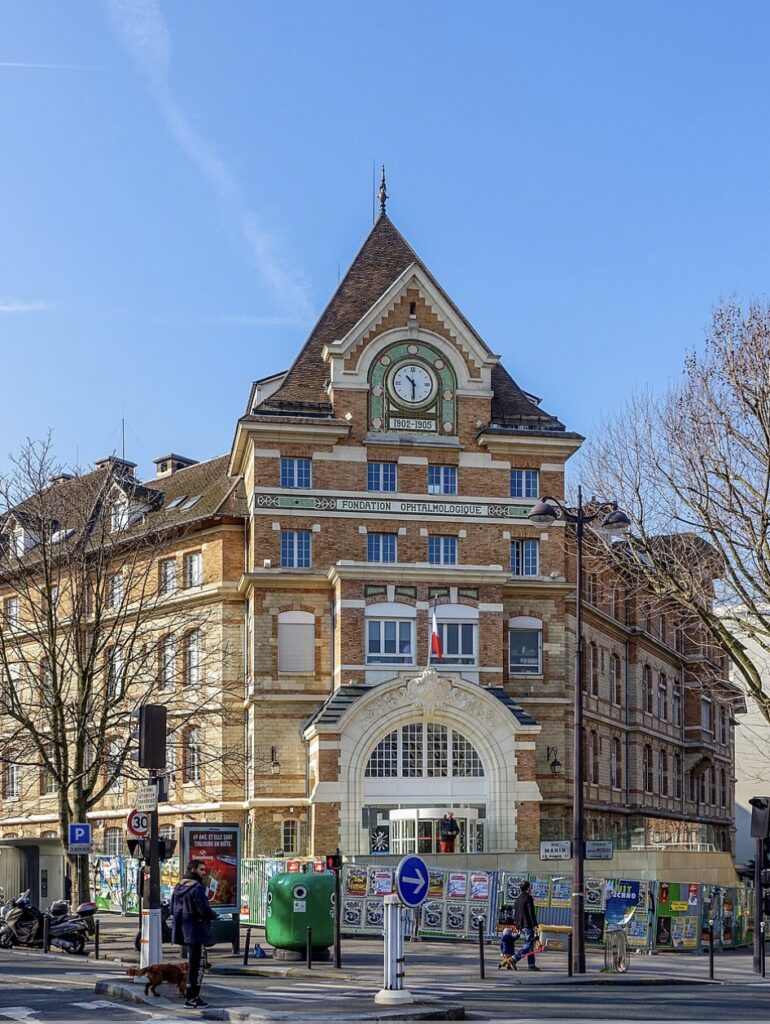
I’m pleased to share that on February 26th, I formally started an invited Professorship at the historic l’Hôpital Fondation de Rothschild in Paris.
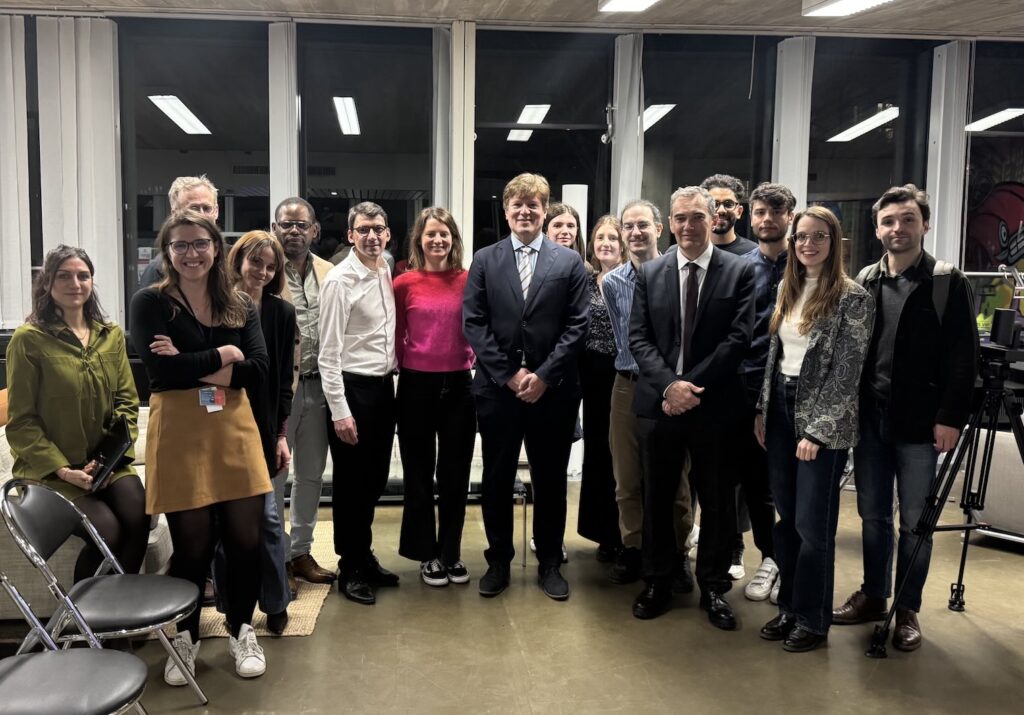
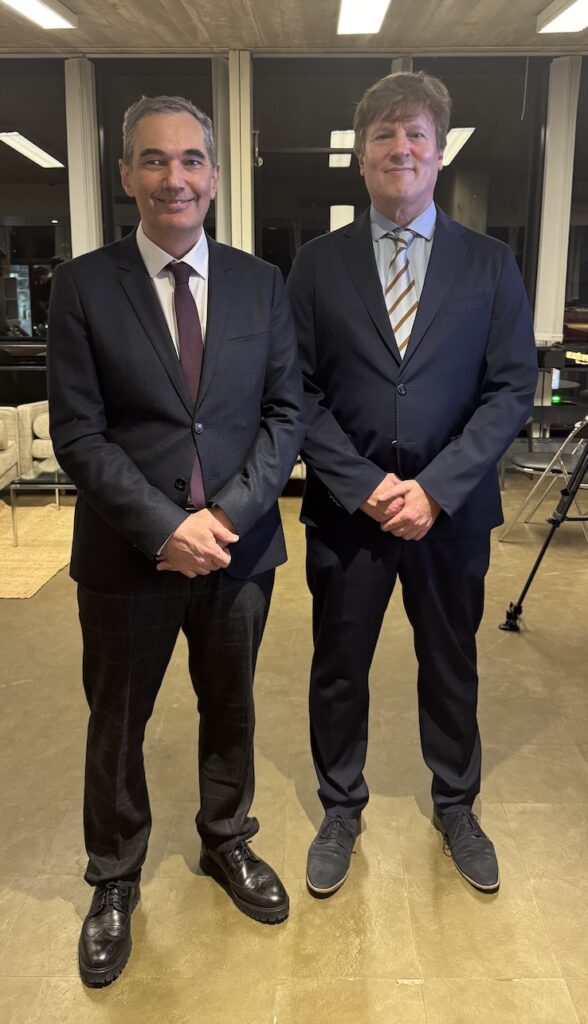
I received a very warm welcome from the Head of Ophthalmology, Dr. Olivier Galatoire — a well-known colleague in the field — and Dr. Marie Callet, research leader of the department.
During my visit, I gave a presentation highlighting the importance of multidisciplinary collaboration in orbital disease, as well as the challenges that arise when such collaboration is not optimally structured.
In this role, I will frequently provide lectures for the medical staff and support the research activities of this prestigious institute. Founded in 1905 by Baroness Julie-Caroline de Rothschild, in accordance with the wishes of her late husband Baron Adolphe de Rothschild, the institution has a remarkable legacy in advancing medical care and research.
I look forward to contributing to education, collaboration, and innovation in this inspiring environment.
L’ Hôpital Fondation de Rothschild in Paris (dating from 1905)Staff of l’Hôpital Fondation de Rothschild in ParisDr Olivier Galatoire, Head of Ophthalmology Service in l’Hôpital de Rothschild in Paris (left)
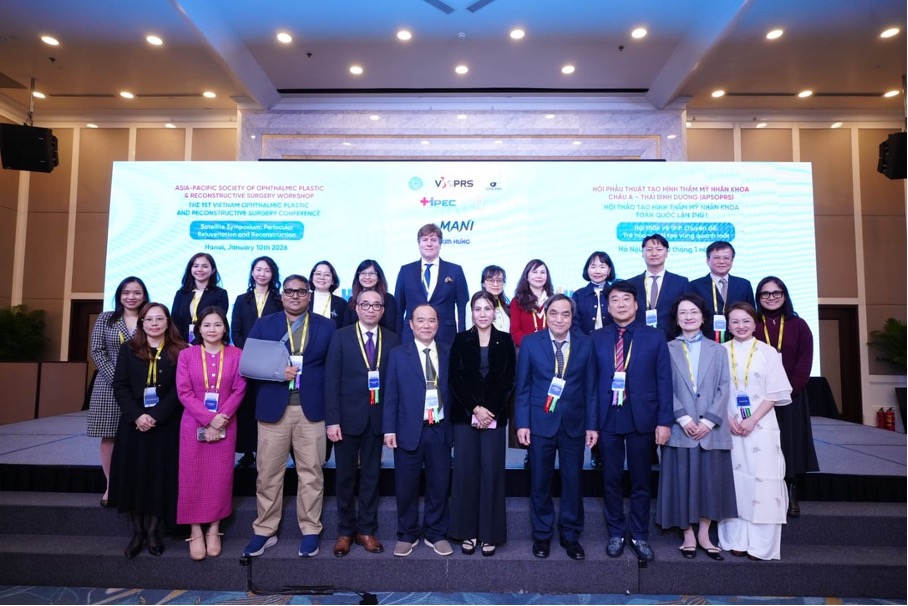
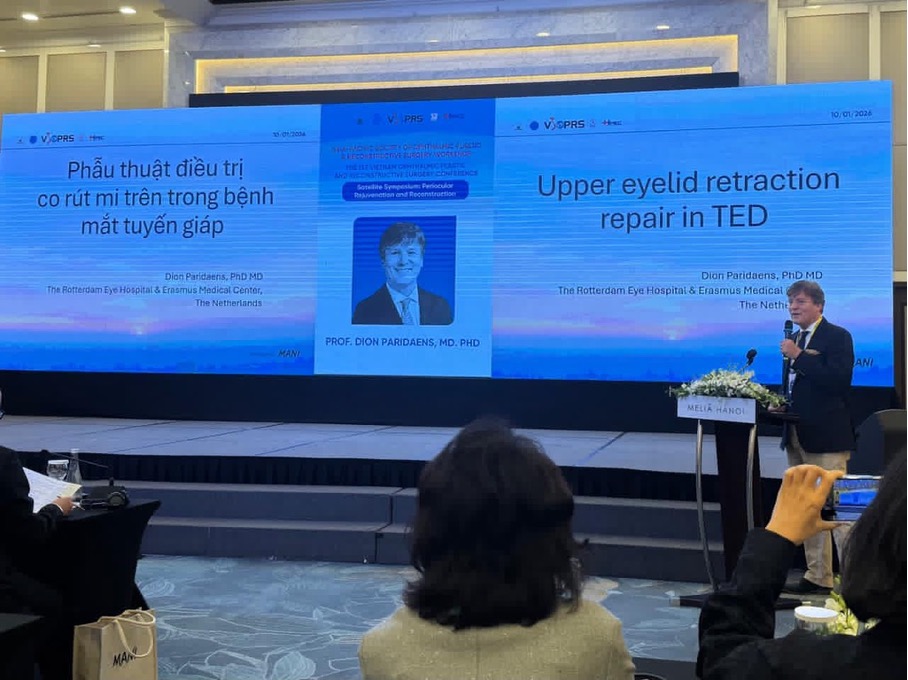
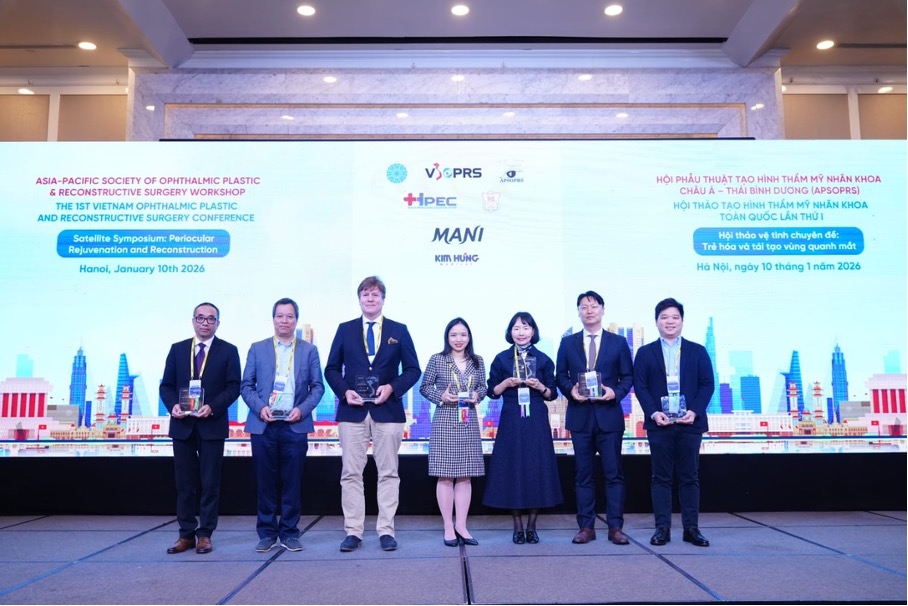
Honored to join the inaugural VSOPRS meeting in Hanoi, January 9–10, 2026, as a moderator and invited speaker within the APSOPRS–VSOPRS scientific program. I presented on “Management of Upper Eyelid Retraction in Thyroid Orbitopathy,” sharing practical decision pathways and surgical pearls to improve functional and aesthetic outcomes.
My sincere thanks to the VSOPRS leadership, organizers, and all colleagues—national and international—whose contributions elevated the meeting. As Immediate Past President of ESOPRS, I look forward to building meaningful collaborations between VSOPRS and ESOPRS across education, research, and clinical practice. 🤝🇻🇳
From 11–13 September, the 43rd Annual Meeting of the European Society of Ophthalmic Plastic and Reconstructive Surgery (ESOPRS) brought together colleagues from around the world in the magnificent Municipal House. The Art Nouveau venue, dramatic organ music at the opening ceremony, and a world-class scientific program set the stage for three inspiring days.
It was a great honour to serve as President during this meeting. Highlights for me included:
🎤 Delivering an invited lecture on “The Great Mimic: Diagnostic Pitfalls in Benign and Malignant Lacrimal Gland Tumours” at the Pre-meeting Course Day (11.9.2025).
🎤 Introducing the 2025 Mustardé Lecturer, Prof. Peerooz Saeed, who gave a powerful talk on “The Optic Nerve, a Story of Survival.”
🏆 Presenting the ESOPRS Junior Award to the promising researcher Anne Xuan-Lan Nguyen.
🌍 The sessions covered everything from eyelid, lacrimal, and orbital surgery to cutting-edge advances in AI, endoscopic orbital approaches, and trauma management in times of conflict.
Social highlights were equally memorable:
📸 A welcome reception on a floating restaurant near Mánes Bridge, with stunning views of Prague Castle and Charles Bridge.
📸 A breathtaking gala dinner at the magnificent Žofín Palace, on an island in the River Moldau.
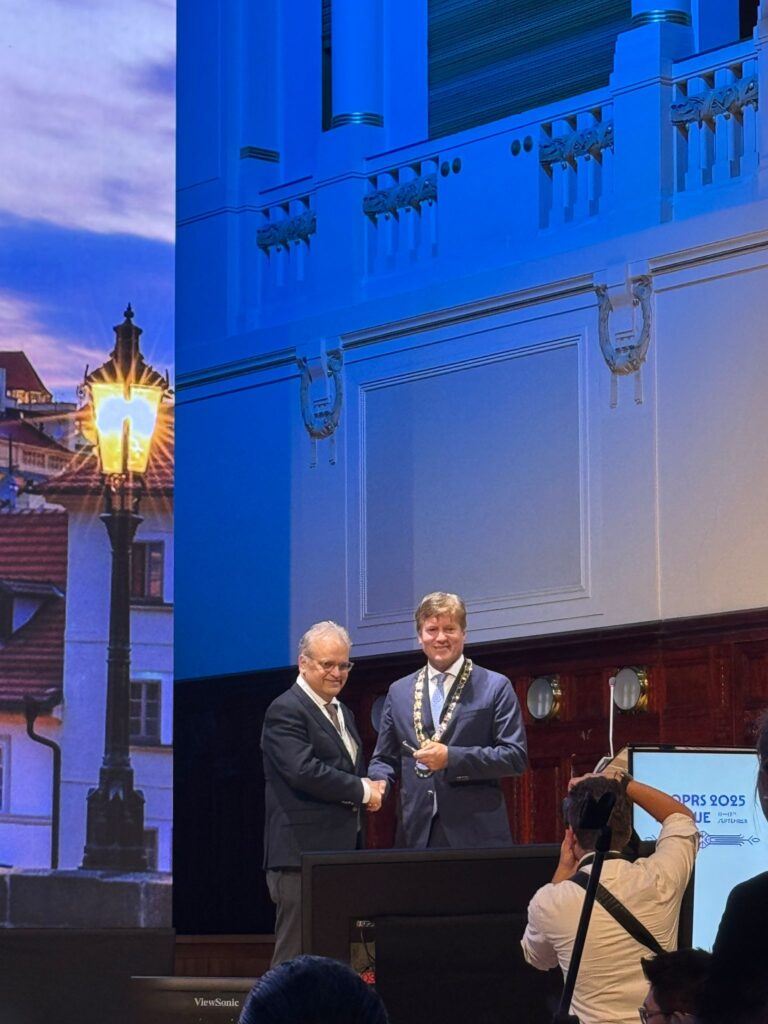
At the close of the meeting, I had the privilege of handing over the President’s chain to my good friend Miguel Gonzalez Candial from Barcelona. I now look forward to continuing to serve the Society for another two years on the Council as Immediate Past-President.
A heartfelt thank you to the local organizing committee, especially Dr. Vladimír Krátký and Dr. Adam Kopecký, for their tireless efforts. I leave Prague inspired, grateful, and proud — and already excited for what lies ahead!
Dion Paridaens
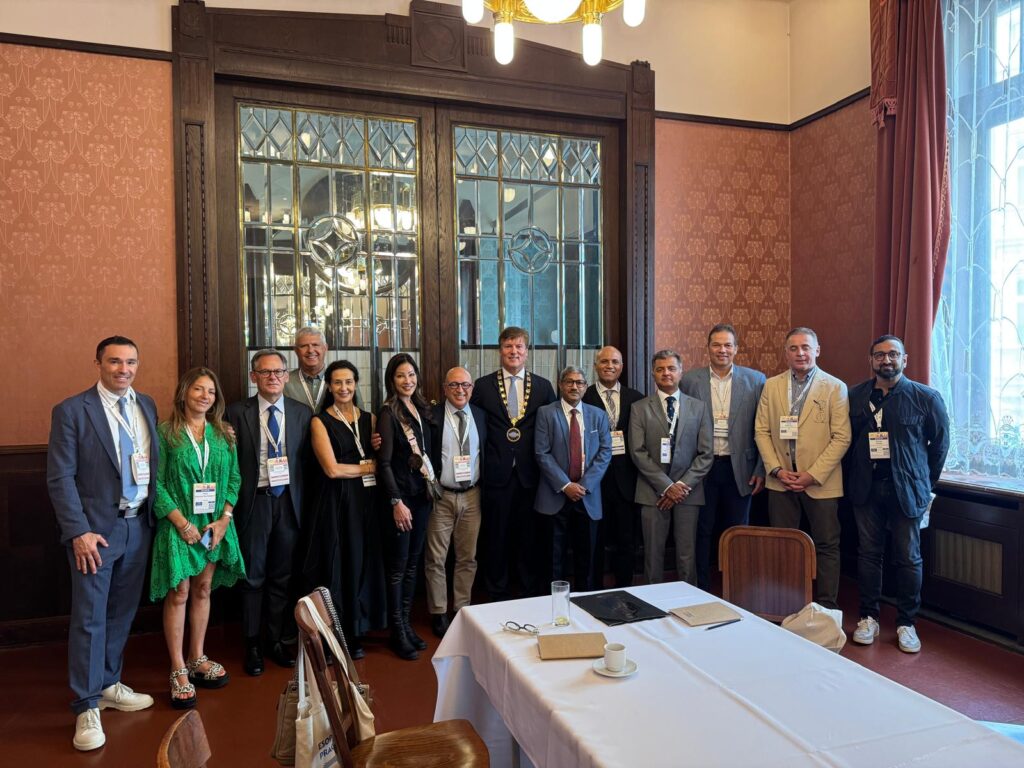
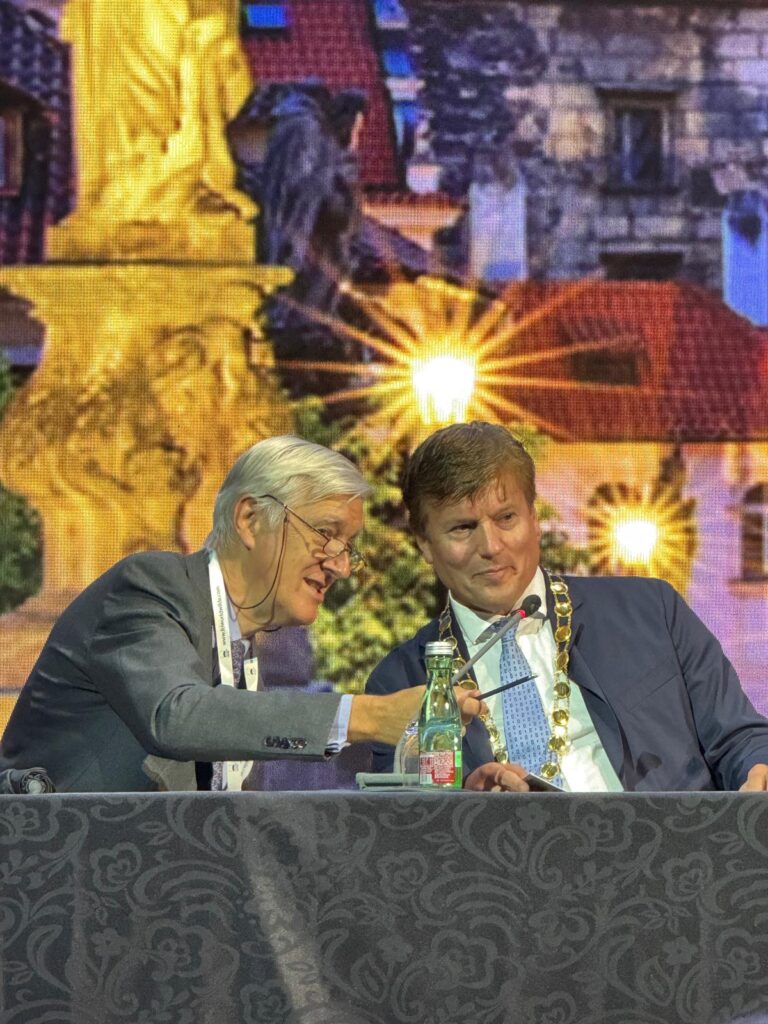
Meeting with African Society colleaguesChairing a session with Prof G RoseIntroducing the Mustarde Lecturer Prof Saeed